Reusable kitchen cloths and the smell nobody talks about

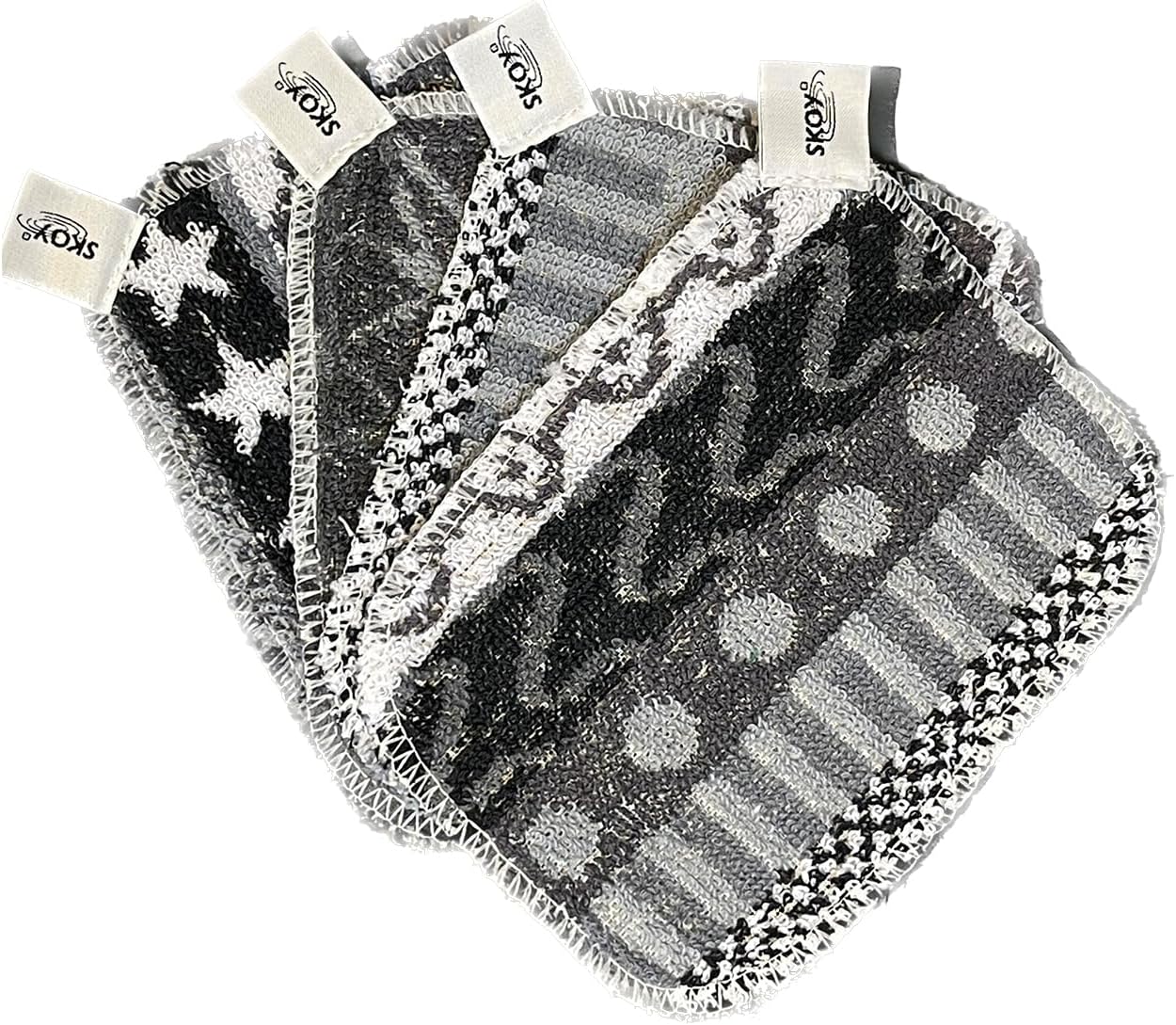
The most common reason people give up on reusable cloths is the smell — the damp, musty note that appears within minutes of wetting a cloth that seemed perfectly clean. It has a specific cause and a specific fix, and neither involves buying different cloths.
The smell is bacteria that survived washing
A cool wash removes visible soil without killing much. Bacteria remaining in the fibres become active again the moment the cloth is wet and warm, which is why the smell appears on use rather than in the cupboard.
This is why a cloth can look clean, smell fine dry, and smell immediately once wetted.
Wash hot enough, at least sometimes
A hotter wash makes a substantial difference. Not every load needs to be hot, but cloths that are only ever washed cool will accumulate the problem over time.
A periodic hot wash for cloths and towels resets them, and is more effective than any additive at a low temperature.
Slow drying is the other half of the problem
A cloth that takes a long time to dry spends that whole time in ideal conditions for regrowth. A cloth spread out and dried quickly does not.
Spreading rather than bunching, and hanging with airflow rather than folding over a tap, is most of the fix.
Do not leave them balled up
A wet cloth screwed up on a worktop or in a sink corner stays wet for hours and develops a smell overnight. This single habit causes more complaints than the washing routine does.
Rinse, wring firmly, and spread it out. It takes a few seconds.
Skip the softener, use vinegar if you want
Softener coats fibres, reduces absorbency and gives bacteria a residue to sit in. White vinegar in the rinse softens without coating and helps with odour.
For cloths and towels this is a straightforward improvement, and vinegar is considerably cheaper.
Rotate several rather than using one
One cloth in constant use never gets the chance to dry fully. Three or four in rotation means each one is properly dry before it is used again.
This is the main practical reason these are sold in multi-packs, and it makes more difference than any change to washing.
Multi-packs here
The cloth and towel packs on this shelf are sized for rotation, which is what makes the drying routine above practical. On our own shelf that range currently runs from $4.97 for the OstWony 12-Pack Purple Coral Fleece Kitchen & Dish Towels, 10"x6" Reusable Cleaning Rags up to $9.99 for the Skoy Scrub 4-Pack: Reusable, Non-Scratching Dish Scrubber for Kitchen Cleaning.
All of the following are filed under Cleaning Supplies — 16 products at present. Listed prices are checkout prices; case quantities are priced on the same basis.
- OstWony 12-Pack Purple Coral Fleece Kitchen & Dish Towels, 10"x6" Reusable Cleaning Rags — $4.97
- CADONO Non-Scratch Dual-Sided Scrub Sponges for Kitchen (6-Pack, Gray-Blue) — $4.99
- SAOYOAS 12-Pack Coral Velvet Quick Dry Kitchen & Cleaning Towels — $4.99
- INFICRIME 20-Pack 3-Layer Metal Wire Dish Cloths, 7.87" Non-Scratch Cleaning Rags — $6.98
- HOMEXCEL 24-Pack S-Shape Non-Scratch Natural Dish Sponges for Kitchen Cleaning — $9.49
- Skoy Scrub 4-Pack: Reusable, Non-Scratching Dish Scrubber for Kitchen Cleaning — $9.99
Related reading
Two other pieces on this site cover ground next to this one. Going completely paper-free usually fails. Replacing the four or five biggest uses usually sticks. And on a related note, a damp oven mitt conducts heat straight to your hand, which is the most common kitchen burn nobody warns about.
- Cutting down on paper towel without making life harder
- Oven mitts: heat rating, length and the wet-mitt problem
Why one cloth in a household is never enough
A single cloth in constant use never dries, and a cloth that never dries will smell regardless of how it is washed. The washing routine gets blamed for what is actually a rotation problem.
Three or four in circulation means each has a full day to dry. That single change resolves most smell complaints without altering anything about how they are laundered.
Handling cloths that have touched raw meat
A cloth used on a surface that held raw meat should go straight for washing rather than back on the counter, and ideally into a hot wash rather than a cool one.
Keeping a small stack of cheaper cloths for exactly these jobs, separate from the ones used for general wiping, makes that easy to follow. The alternative is a decision in the moment, which is when shortcuts get taken.
Choosing fabrics that resist odour
Cotton and cellulose dry quickly and release residue well in a wash. Microfibre holds odour more stubbornly because its fibre structure is designed to trap fine particles, which includes the ones that smell.
That does not make microfibre a bad choice, but it does mean it benefits from a hotter wash and from being retired sooner. Matching your expectations to the fabric prevents a lot of disappointment.
The routine that fixes it
Rinse and wring after every use, spread rather than bunch, rotate three or four cloths, wash without softener and give them a hot wash periodically. Do that and the musty smell simply does not appear.
Cases leave our warehouse in Vernon, CA at $5.25, free above $45, with 30 days for unopened returns. Email [email protected] for quantities.