Cutting down on paper towel without making life harder

Most attempts to stop using paper towel are all-or-nothing and collapse within a month, usually over one unpleasant job. A more durable approach is to work out where the paper is actually going and replace only the uses where a cloth is genuinely as convenient — which turns out to be most of them.
Find out what you actually use it for
Most households use paper towel for a small number of repeated jobs: wiping counters, drying hands, mopping spills, drying produce and draining fried food. The rest is occasional.
Replacing the top three or four covers the large majority of consumption without requiring any decisions in the moment.
Counter wiping is the easiest win
This is usually the biggest single use and the one a cloth does better anyway. A damp cloth cleans a counter more effectively than dry paper.
Keeping a cloth visibly to hand is what makes this stick, because the substitution has to be easier than reaching for the roll.
Hand drying needs a separate towel
The mistake is drying hands on the cloth used for surfaces, which is unhygienic and unpleasant. A dedicated hand towel changed regularly solves it.
Keeping them visually distinct — different colour or type — prevents the mix-up entirely.
Reusable "paper towel" on a roll works for the habit
Cloths made to sit on a standard holder let you keep the existing motion of tearing a sheet off a roll, which matters more than it should for whether the change lasts.
For a household used to a roll on the counter, this is often the difference between success and reverting.
Keep paper for the genuinely unpleasant jobs
Raw meat juices, pet accidents and grease you do not want in the washing machine are reasonable paper uses. Insisting on cloth for these is what makes people abandon the whole idea.
Keeping one roll for those jobs is not a failure. It is what makes the other ninety per cent sustainable.
Have enough cloths, and somewhere to put dirty ones
Running out mid-week sends you straight back to paper. A small bin or bag for used cloths near the sink means they get collected rather than left around.
Enough cloths for a week plus a place to put them is the infrastructure the habit needs.
What replaces what
The reusable towels and cloth packs here cover counter wiping, hand drying and spills, which between them are most of a household roll. On our own shelf that range currently runs from $7.99 for the Aitoper Swedish Dishcloths, 6-Pack Reusable Fruit Design Kitchen Towels up to $22.99 for the mioeco 10 Pack Reusable Organic Cotton Paper Towels, Natural.
All of the following are filed under Kitchen Linens — 4 products at present. Listed prices are checkout prices; case quantities are priced on the same basis.
- Aitoper Swedish Dishcloths, 6-Pack Reusable Fruit Design Kitchen Towels — $7.99
- Homaxy 6-Pack Fruit Reusable Swedish Dishcloths for Kitchen Cleaning — $9.98
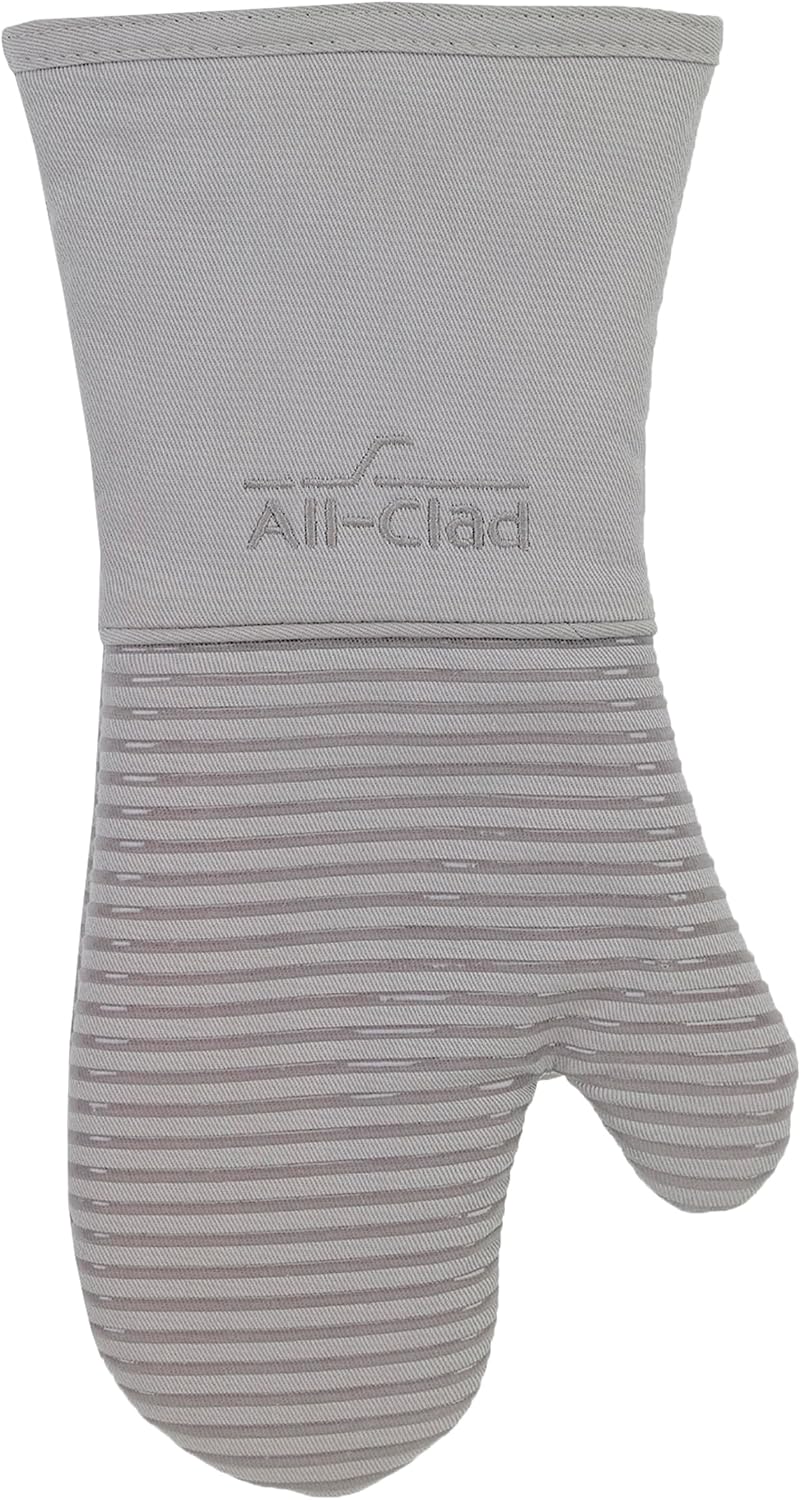
- All-Clad Premium Silicone Oven Mitt, Titanium Gray – 1-Pack, 14"x7" — $18.99
- mioeco 10 Pack Reusable Organic Cotton Paper Towels, Natural — $22.99
Related reading
Two other pieces on this site cover ground next to this one. A damp oven mitt conducts heat straight to your hand, which is the most common kitchen burn nobody warns about. And on a related note, compostable cutlery is a good answer to a specific problem and a poor substitute for reusables.
- Oven mitts: heat rating, length and the wet-mitt problem
- Compostable cutlery: what it is for and where it fails
Why attempts usually fail
Going completely paper-free overnight is the common approach and the common failure. One genuinely unpleasant job with a cloth is enough to make the whole change feel like a mistake.
The other failure is not having enough cloths. Running out on a Wednesday means reaching for the roll, and once the roll is back on the counter the habit reverts within days.
The infrastructure the habit needs
Somewhere to put dirty cloths matters as much as having clean ones. Without a bin or bag by the sink, used cloths get draped over taps and left, which is how the smell problem starts.
A small container for used cloths, a visible stack of clean ones and enough of them for a week is the whole system. Get that right and the change requires no willpower at all.
Bringing a household along with the change
A change that only one person in a house understands will not last, because everybody else keeps reaching for the roll out of habit. Making the cloths more visible and more convenient than the paper is what shifts it.
Moving the paper roll out of arm's reach and putting the cloths where it used to be does most of the work. Behaviour follows layout far more reliably than it follows intention.
How to make it stick
Replace counter wiping first, add a separate hand towel, keep enough cloths for a week with somewhere to put the used ones, and keep one roll of paper for raw meat and grease. Partial replacement that lasts beats total replacement that does not.
Cases leave our warehouse in Vernon, CA at $5.25, free above $45, with 30 days for unopened returns. Email [email protected] for quantities.